
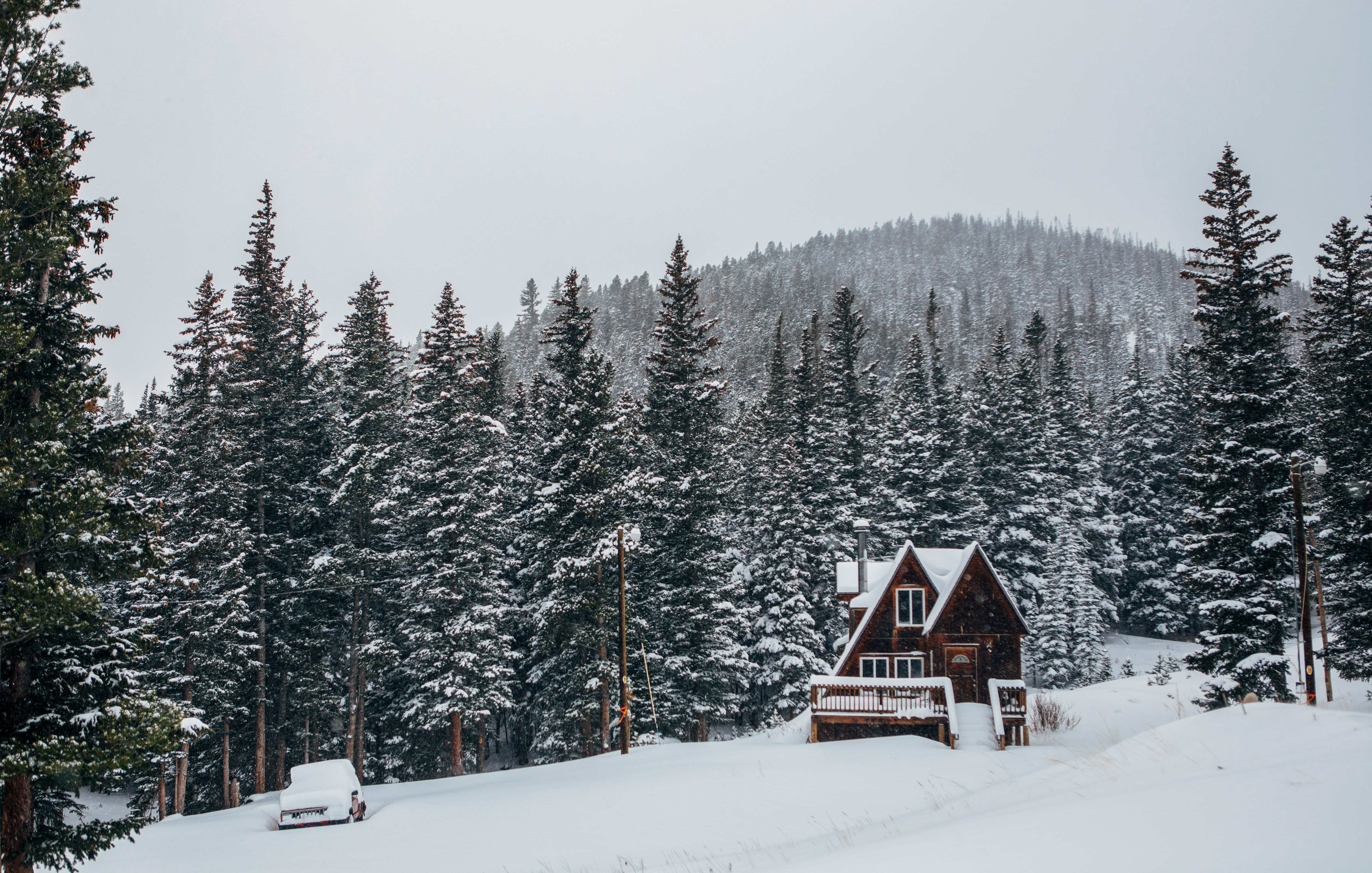
Every week a rental sits empty you still pay its carrying costs and collect no rent. In the example used below, that is roughly $1,000 a week out of pocket. A home that goes empty into December can be hard to fill before spring, so the way you price and prepare it matters more in winter than in summer.
What a vacant month costs
The figures are an example with round numbers, not a quote or a prediction for your home.
| Example only | Per month | Per week |
|---|---|---|
| Mortgage, taxes, insurance, HOA, utilities and lawn | $4,300 | about $990 |
| Rent not collected (example rent $3,300) | $3,300 | about $760 |
The carrying cost keeps running whether or not anyone lives in the home, and lost rent never comes back. If lowering the rent by $100 a month fills the home three weeks sooner, you come out ahead: $100 a month over a 12-month lease is $1,200, while three weeks of lost rent is about $2,300.
How to lease faster in winter
The goal is to get the right tenant in quickly without leaving money on the table. These are the points that make the most difference:
- Price to the current market, not last summer. Look at homes that are for rent right now near yours with the same bedrooms and similar size. A listing priced above them waits; one priced in line with them gets calls. You can start with the free rent estimate on the Tri Home Life home page.
- Be ready before you list. Clean, repaired and photographed in good light. A home that needs work is slow to show and slow to lease.
- Make showings easy. Flexible times and a clear process for getting in. Every day a prospect waits for a showing is a day another listing can win them.
- Answer fast. Prospects contact several listings at once. A same-day reply usually keeps them.
- Plan the lease dates. A start date in the next few weeks beats waiting for a perfect one, and an end date that avoids winter helps the next turnover.
- Know the rules for the lease. Colorado has specific rental rules about how rent, fees and disclosures must be shown to applicants. Use a management company or attorney-reviewed forms.
Protect the home while it is empty
An empty home still needs heat. The common recommendation from insurers is to keep the thermostat at 55°F or higher so the floor and wall cavities that hold your pipes stay above freezing, according to Amica Insurance’s guide to vacant homes in winter.
A few steps that matter most between tenants:
- Keep the heat on. Turning it off to save money can cost far more in burst pipes. Amica notes that homeowners policies generally cover freeze damage to plumbing only if reasonable care was taken to maintain heat.
- Open cabinet doors. Leaving cabinet and crawl space doors open lets warm air reach pipes in unheated spots.
- Insulate exposed pipes in unheated areas, and consider water sensors that alert your phone.
- Make the home look lived in. Arrange snow removal after storms and keep mail from piling up.
- No heat at all? Have the water shut off and the plumbing professionally drained or blown out instead.
Ask your insurance agent how your policy treats a vacant home. Vacancy can affect coverage.
If you have a home sitting empty and want to run the numbers for your situation, you can schedule a call with TJ.
Photo: Greg Althoff / Unsplash